
The plywood you select can make or break your construction project. Builders face a critical choice between selecting certified materials and cheaper local options. This decision affects everything from structural integrity to long-term maintenance costs. Understanding the differences helps you avoid expensive mistakes down the line.
High quality plywood delivers consistent performance across residential and commercial projects. Certified products undergo rigorous testing for bonding strength, moisture resistance, and dimensional stability. These materials meet Bureau of Indian Standards specifications, ensuring your structures stand the test of time without premature deterioration or safety concerns.
Bonding Strength Standards: The adhesive used in plywood layers determines how well the material holds together under stress. Premium manufacturers use phenol-formaldehyde resins that create waterproof bonds. These bonds resist delamination even in humid conditions. Local alternatives often use cheaper adhesives that fail when exposed to moisture or temperature fluctuations.
Resistance to Bending and Warping: Quality plywood maintains its shape across different environmental conditions. The core veneers are carefully selected and arranged to balance internal stresses. This prevents the twisting and cupping that plague inferior products. Builders who cut corners here end up redoing work when panels distort after installation.
Surface Finish Consistency: Premium plywood offers uniform thickness and smooth surfaces that accept finishes properly. The outer veneers are free from patches, knots, and other defects. This saves time during installation and finishing. Poor quality alternatives require extensive sanding and filling, adding labour costs that erase any initial savings.
Structural Failures in Load-Bearing Applications: Unverified plywood lacks the strength specifications needed for floors, roofs, and wall sheathing. The core may contain voids or weak wood species. These hidden defects compromise structural integrity. Buildings develop sags, cracks, and potentially dangerous failures that create liability issues for builders and property owners.
Moisture Damage and Fungal Growth: Local alternatives often lack proper moisture resistance grading. Water penetration causes swelling, delamination, and rot. Fungal infestations spread through walls and furniture. The repair costs dwarf the money saved by choosing cheaper materials. Prevention through quality selection proves far more economical than remediation after damage occurs.
Termite Vulnerability: Untreated or poorly treated plywood becomes a food source for termites and other wood-boring insects. Quality manufacturers apply effective preservatives during production. These treatments penetrate deep into the wood layers. Infestations can destroy entire structures, creating catastrophic losses that no builder wants associated with their reputation.
BIS Certification Requirements: Bureau of Indian Standards codes like IS:303 and IS:710 define quality parameters for different plywood grades. Certified manufacturers submit to regular inspections and testing. Their products carry markings that verify compliance. This traceability protects builders from substandard materials entering their supply chain.
Laboratory Testing Protocols: Reputable manufacturers conduct tests for:
Performance Guarantees: Certified plywood comes with warranties covering manufacturing defects and performance standards. This gives builders recourse if materials fail to meet specifications. Local suppliers rarely offer such protection. The risk shifts entirely to the builder and eventual property owner when problems emerge years later.
Verify Certification Before Purchase: Always check for BIS marking and certification numbers on plywood sheets. Request test certificates from suppliers. Visit manufacturing facilities if possible to assess quality control processes. This due diligence prevents costly mistakes that damage your professional reputation and bottom line.
Calculate True Project Costs: Factor in waste rates, rework time, and potential callbacks when comparing prices. Cheap plywood generates higher waste because defects force you to discard more material. Installation takes longer when dealing with inconsistent dimensions. Future repairs eat into profits. Premium materials often cost less over the project lifecycle.
Build Long-Term Supplier Relationships: Partner with manufacturers who maintain consistent quality standards. Reliable suppliers provide technical support and ensure steady material availability. This eliminates project delays caused by sourcing issues. Your reputation grows when clients see the superior results that quality materials deliver consistently.
Conclusion
Choosing between high quality plywood and local alternatives shapes your success as a builder. Certified materials provide the strength, durability, and performance that protect your reputation. The risks of using unverified products far outweigh any initial cost savings. Make informed decisions by verifying certifications, understanding quality benchmarks, and partnering with reliable suppliers. Your projects deserve materials that deliver lasting value and peace of mind.
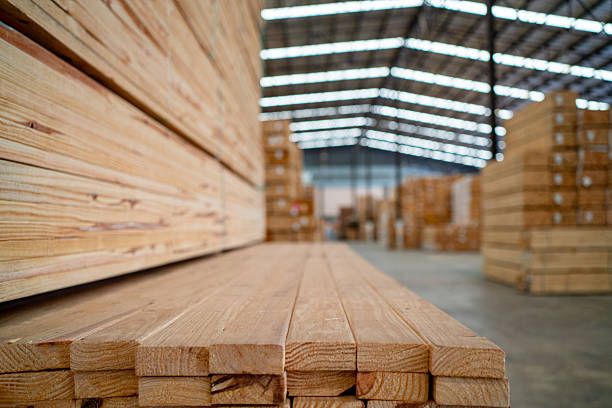
Featured Image Source: https://media.gettyimages.com/id/2235186166/photo/stacked-lumber-folded-wood-closeup-wooden-boards-the-surface-of-the-end-of-the-board-lots-of.jpg?s=612×612&w=0&k=20&c=QKZylbedHBg7piaNA0PfqnAEXTzzXumtBZ8oPoX5EB0=